

July 9, 2026
Logistics Coordination in Iraq for Foreign Companies
Once a foreign company moves from planning to actually operating in Iraq — sending a delegation, mobilizing a project team, or conducting a site visit — logistics stops being an abstract consideration and becomes a daily operational reality. This article covers what foreign companies typically need to plan for when it comes to logistics in Iraq, and how to avoid the most common friction points.
Transport Is the First Practical Question
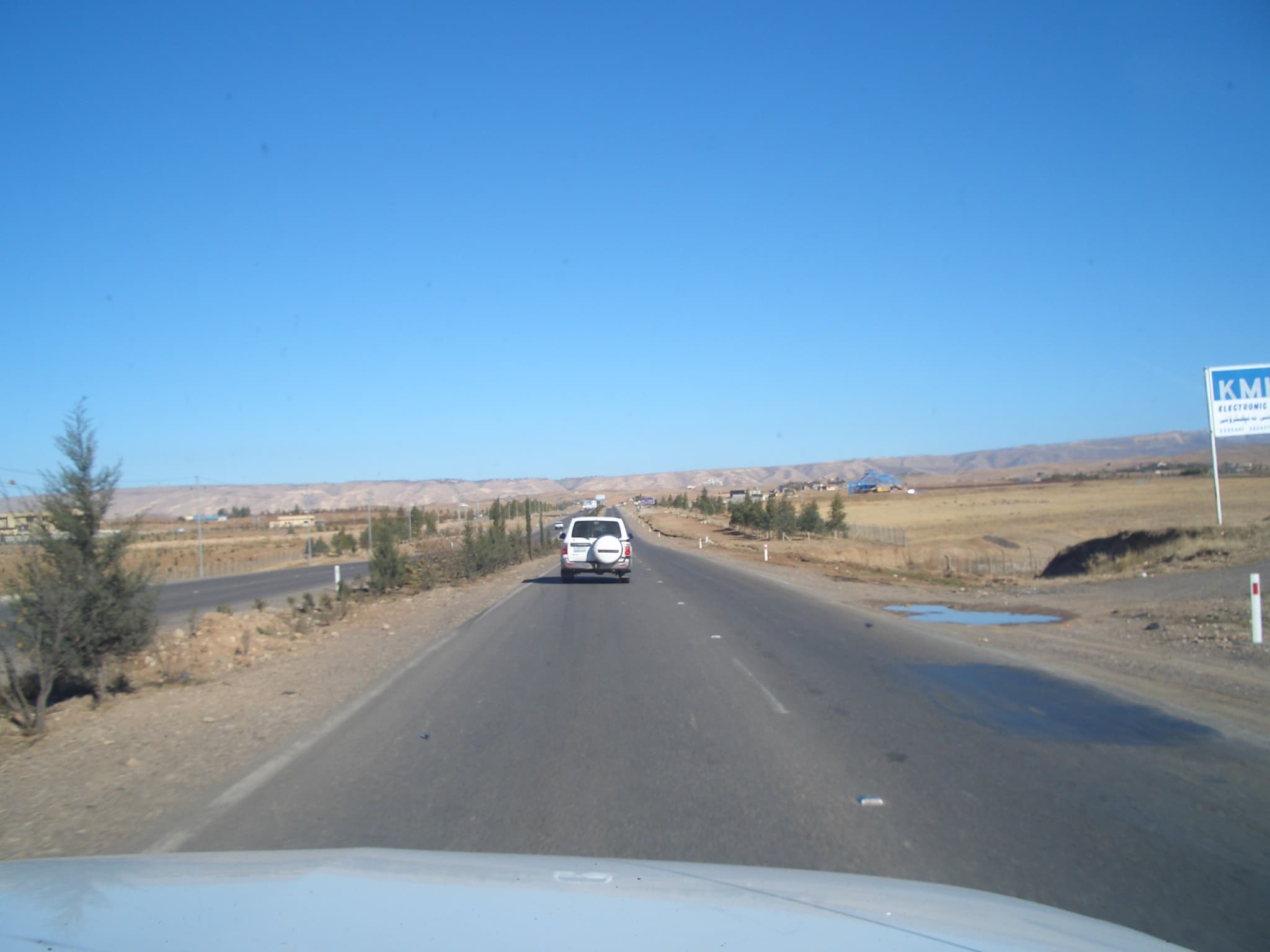
Every visit starts with a basic question: how will people move safely and efficiently between the airport, accommodation, meetings, and sites? For a single executive visit, this might mean a reliable airport transfer and a dependable driver. For a larger delegation or project team, it typically means coordinated vehicles, drivers familiar with the relevant routes, and a plan for moving between multiple locations, sometimes across different cities.
Companies that arrange transport informally or last-minute often lose time and, in some cases, encounter avoidable friction. Planning routes, timing, and vehicle needs in advance — matched to the specific itinerary — tends to produce a smoother experience, particularly for time-sensitive visits like tender submissions or technical evaluations.
Local drivers with route familiarity are not a minor detail — they materially affect both safety and efficiency, particularly for travel between cities or to less frequently visited sites. This is one of the areas where local knowledge cannot easily be replaced by planning done remotely.
Accommodation Should Match the Visit
Where your team stays matters — not just for comfort, but for consistency and, in some cases, security. A single executive visit might call for a well-located, reputable hotel. A longer project engagement might require negotiated long-stay accommodation or a vetted residence suited to a rotating team. Matching accommodation to the actual duration and nature of the visit, rather than defaulting to whatever is easiest to book remotely, generally produces better outcomes.
Security-Aware Planning, Not Guesswork
Iraq's security landscape varies by region and has evolved significantly in recent years, but planning still matters — particularly for site visits, delegations, and movement outside familiar areas. Coordinating with licensed private security providers for route planning and site coverage, where warranted, is standard practice for well-prepared foreign companies operating in the country. This is coordination and planning, not something to be improvised on the day.
Plan for Multi-City or Multi-Site Movement
Many engagements in Iraq — particularly in energy, infrastructure, and construction — involve visiting multiple sites or cities within a single trip. This requires more than booking flights; it means sequencing visits realistically, accounting for travel time between locations, and building in contingency for the kind of delays that are common in any developing logistics environment.
Logistics Scale With Your Presence
A single visit has different logistics needs than an ongoing project presence. Companies with teams rotating in and out of Iraq over months or years benefit from standing logistics arrangements — pre-established transport, accommodation, and, where relevant, security coordination — rather than re-arranging everything from scratch for each rotation. This also tends to be more cost-effective and predictable over time.
Coordinate, Don't Fragment
One of the most common inefficiencies foreign companies encounter is managing transport, accommodation, staffing, and security through separate, disconnected local vendors — each requiring its own communication, invoicing, and follow-up. Coordinating these through a single ground operations partner reduces the administrative burden on your team and ensures the different pieces are planned together rather than in isolation.
STRATIQ Access provides project logistics as a management and coordination service — planning movement, sourcing and verifying suppliers, and administering the contracts behind them, with transport, freight, customs clearance, and private security delivered by duly licensed and specialized providers. Scope runs from a single executive visit to standing logistics for a long-term project team.
Frequently Asked Questions
- How far in advance should we arrange logistics for a visit to Iraq?
- As early as your itinerary is confirmed. Advance planning gives more flexibility on accommodation, vehicles, and drivers, particularly during busier periods.
- Can you coordinate logistics for a multi-city trip?
- Yes — sequencing transport and accommodation across multiple cities or sites within a single trip is one of our core logistics engagements.
- Is security coordination necessary for every visit?
- Not every visit requires the same level of security coordination — it depends on the itinerary, sites involved, and your company's own risk assessment. We help scope this appropriately rather than applying a one-size-fits-all approach.
- Do you provide logistics support for long-term project teams, not just single visits?
- Yes — standing logistics arrangements for teams with an ongoing presence in Iraq are a common and often more cost-effective engagement than repeatedly arranging one-off visits.
- What's the benefit of coordinating logistics through one partner instead of separate local vendors?
- A single coordinated partner reduces the administrative burden on your team and ensures transport, accommodation, staffing, and security planning work together rather than as disconnected bookings.
Related Services
Let Us Support Your Business in Iraq
We bring local experience and integrated legal, strategic, and operational capabilities to companies and investors establishing, developing, or protecting their business interests in Iraq.
We Make Business Possible in Iraq